

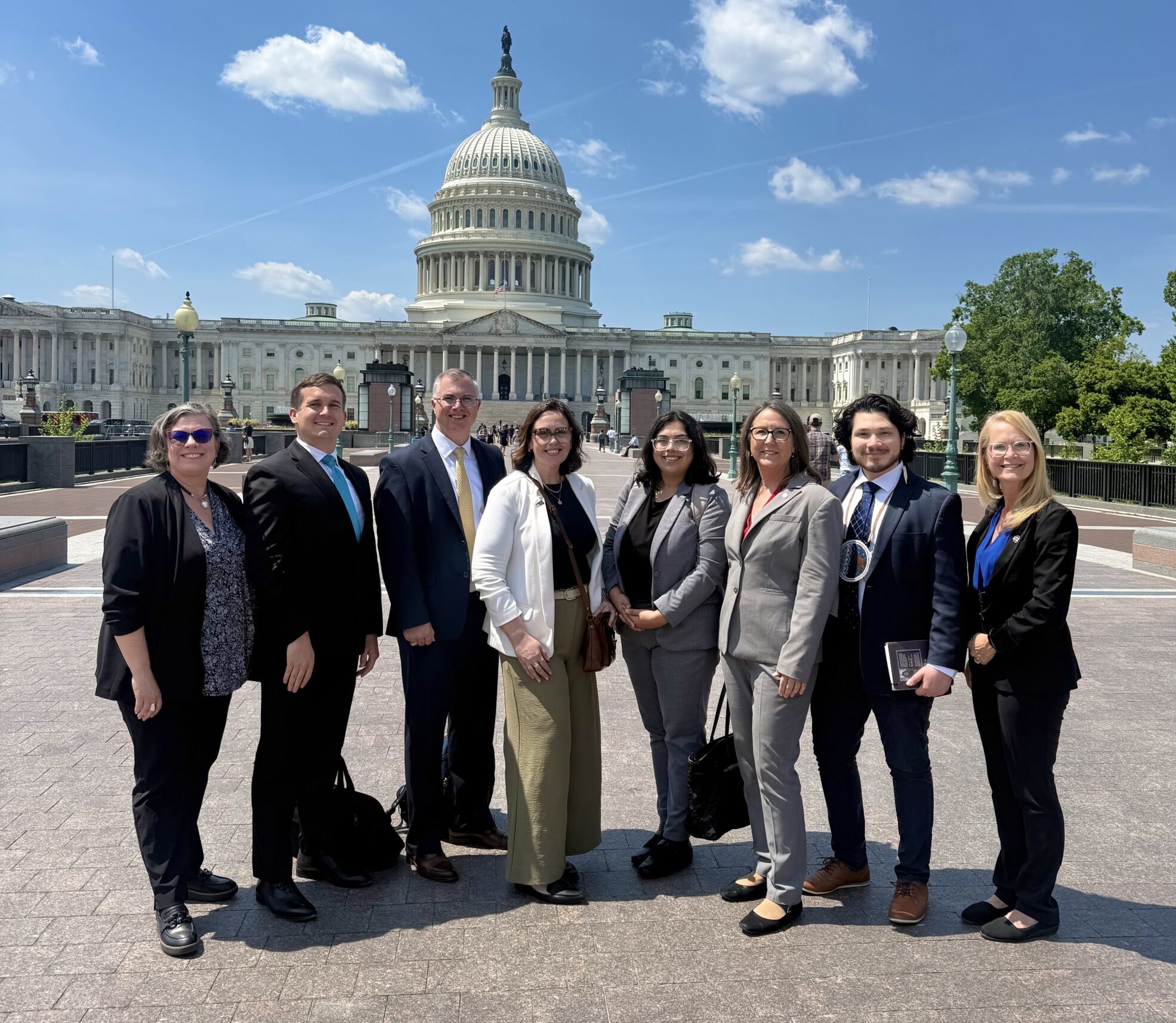
2026 CGS Advocacy Day
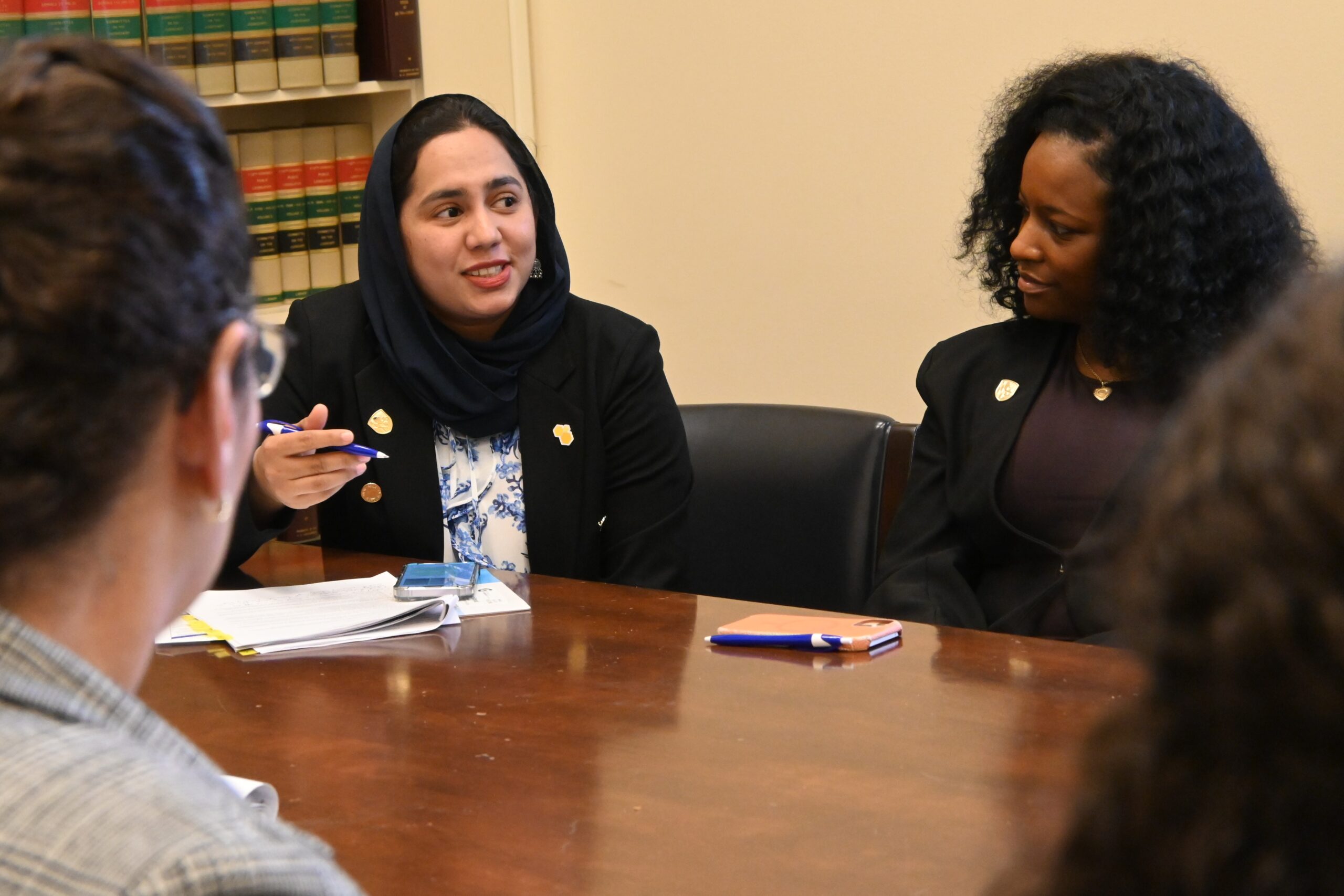
On April 22-23, CGS held its Annual Advocacy Day in Washington, D.C. Advocacy Day is an opportunity for CGS members and their students to come to the nation’s capital to advocate for federal funding for research, student support programs and policies that impact graduate education.
On the first day, the CGS Government Relations and Public Policy department led a Pre-Advocacy Day Workshop in which graduate deans and students learned how to be effective and impactful advocates for graduate education.
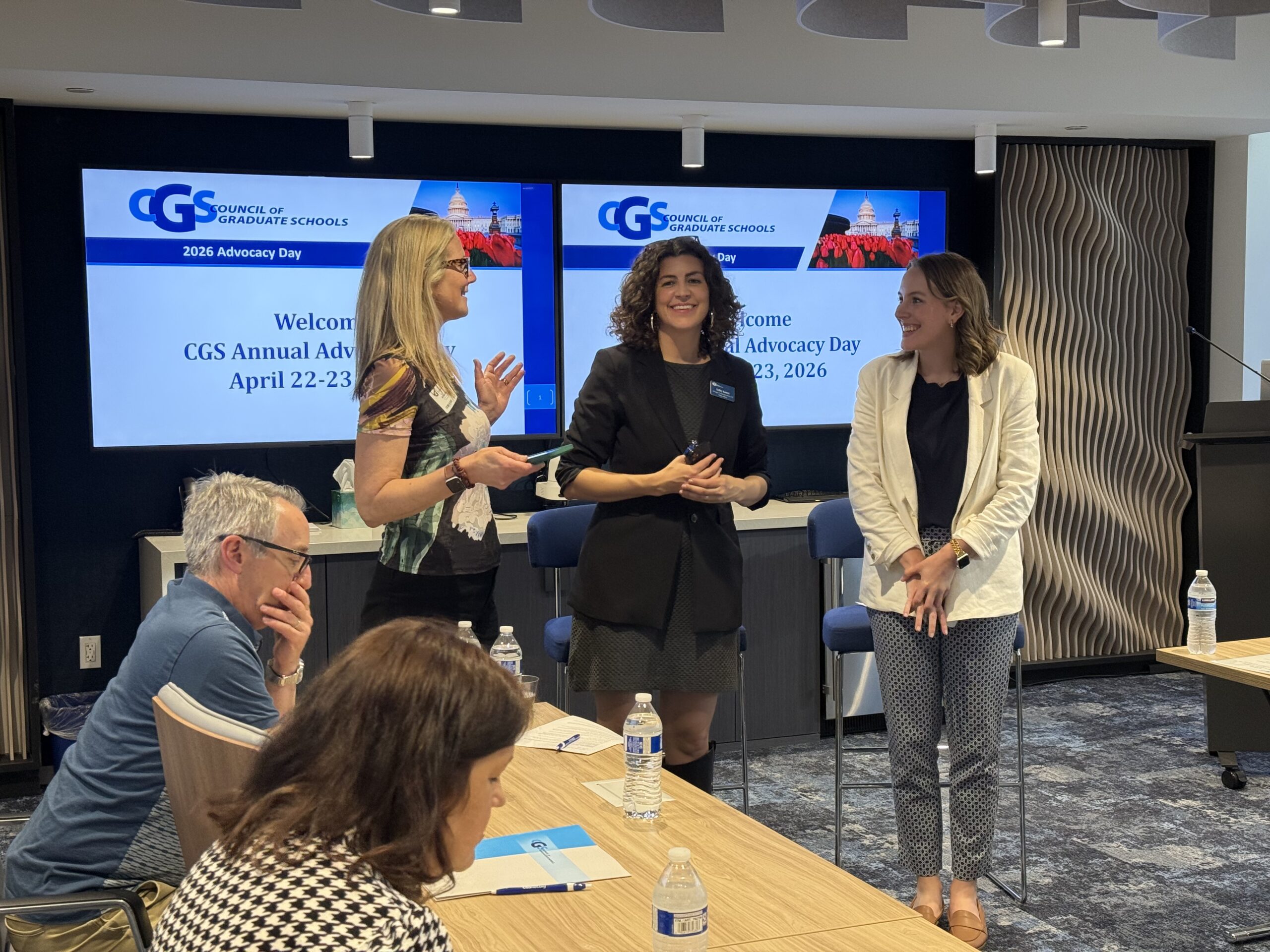
During the workshop, Advocacy Day attendees had robust and substantive discussions on several topics including the cost of graduate education, policies impacting international students, and funding for basic research. They also discussed provisions in the One Big Beautiful Bill (OBBB) Act, such as the elimination of the Graduate PLUS Loan program, borrowing limits on unsubsidized loans, accreditation, and the definition of professional degrees.
Following the workshop, Jessica Blake, federal policy reporter from Inside Higher Ed, was the guest for a fire-side chat with Kelley Karnes, CGS Communications and Public Affairs Manager. Blake discussed the current Department of Education’s Negotiated Rulemaking Committee on accreditation, highlighting who is on the committee, what topics they are covering, and what the implications could be for graduate programs and students. Blake also discussed new accountability measures from the Department of Education.
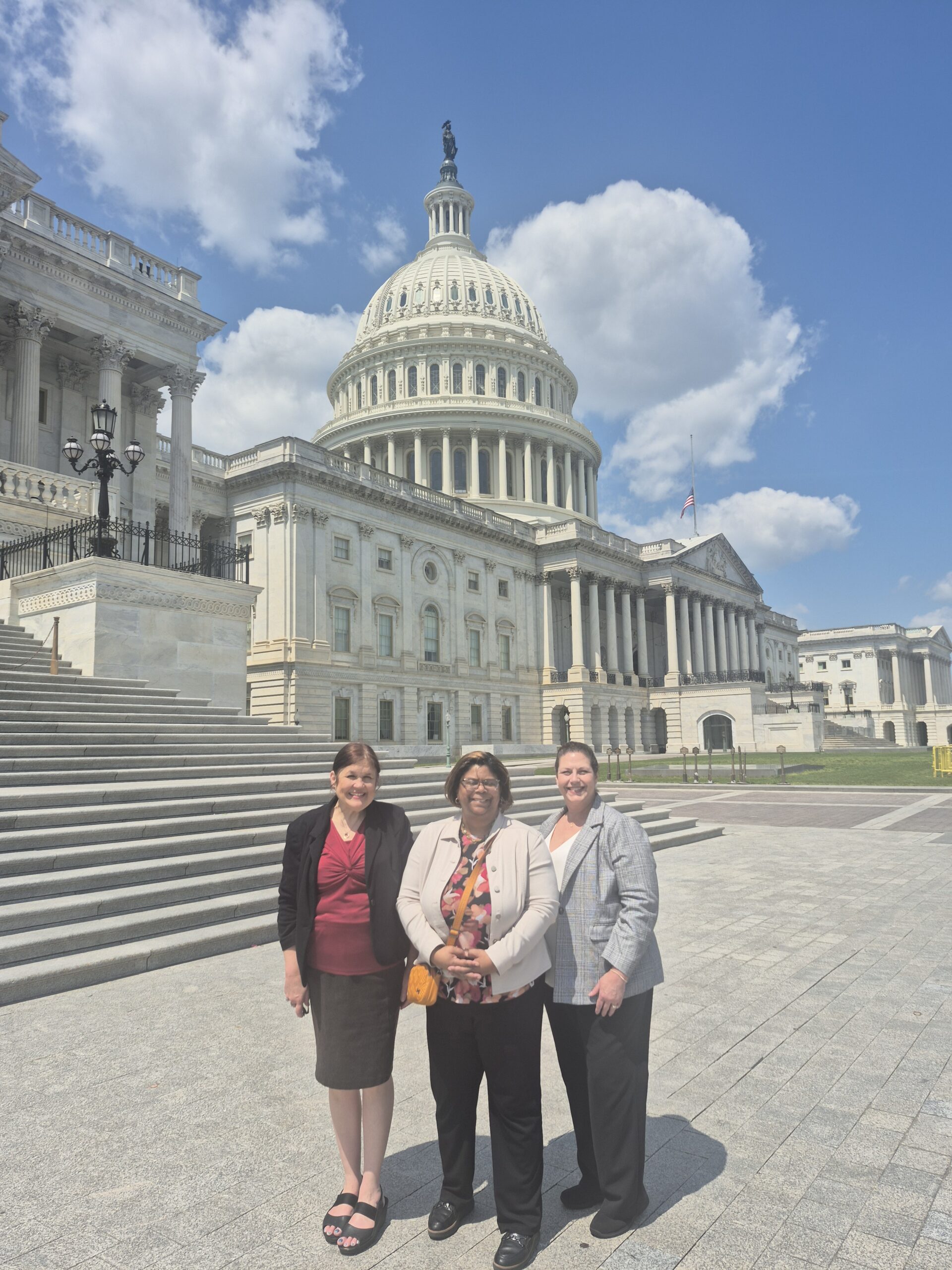
On the second day, graduate deans and students headed to Capitol Hill to advocate and educate Members of Congress and congressional staff on top priorities in graduate education. During meetings with the House Education and Workforce Committee and the Senate HELP Committee, there were substantive discussions about the cost of graduate education, the impact new loan limits will have on current and prospective students’ access to graduate education, policy implications of the OBBB, and the importance of the federal government’s role in funding higher education programs. In meetings with the House and Senate Appropriations Committees, there were robust discussions on fiscal year 2027 funding for the Department of Education, especially funding for Minority Serving Institutions, HBCUs, and programs like the Ronald E. McNair Scholars Program and GAANN.
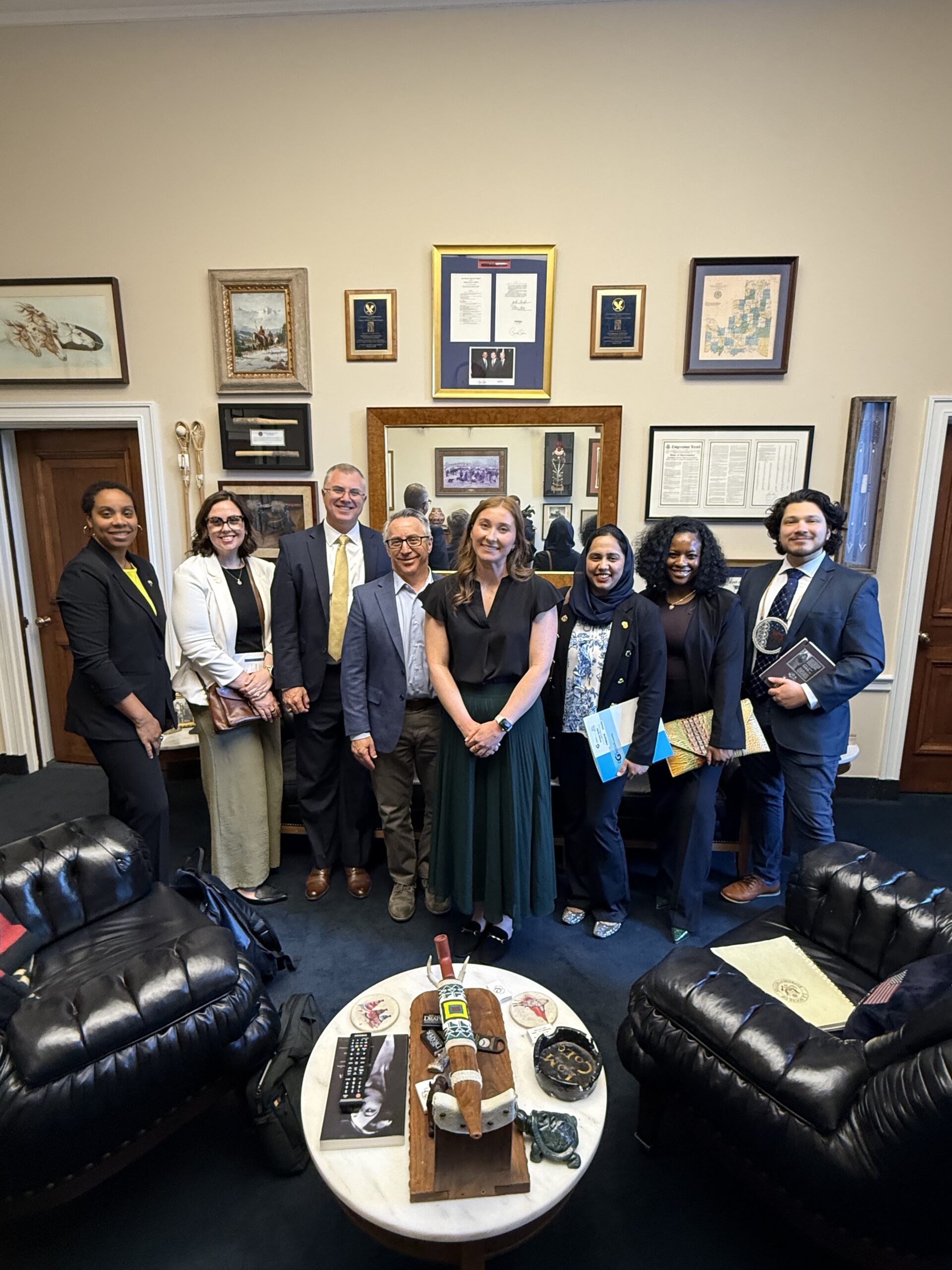
These meetings also served as an opportunity for CGS and the deans to request sustainable federal funding for America’s scientific research enterprise by requesting $51.3 billion for the National Institutes of Health, $9.9 billion for the National Science Foundation, $9.5 billion for the Department of Energy’s Office of Science, and robust funding for the Department of Agriculture’s National Institute of Food and Agriculture. When talking about these and other federal agencies, the graduate deans always mentioned the importance of graduate students to the fundamental scientific research being conducted on campuses across the country.
Overall, CGS members felt it was a successful day on the Hill. The meetings allowed for meaningful dialogues on important issues, the establishment of working relationships between the graduate education community and Members of Congress, and the opportunity for graduate deans and students to have their voices heard on Capitol Hill.
Make sure you are signed up for Washington Insights and Highlights, CGS’s advocacy newsletter, to stay up to date on new executive orders, changes at the Department of Education and what makes it into the appropriations bill.
The Basics of Advocacy
- What Is Your Goal? How to determine advocacy goals for meetings with policymakers and staff.
- What Facts Can You Present? Determine the facts and information to present to policymakers that help to make the case for graduate education.
- What Is The “Ask”? Make sure you know what you want to accomplish during your meeting with policymakers and staff and develop an “ask” that aligns with your goals for the meeting.
- How to Cultivate a Congressional Champion? Meetings with policymakers and staff provide an opportunity to establish a working relationship with them. Offer to be a source of information about graduate education for the policymaker and staff.
Interested in getting involved with CGS’ advocacy efforts? Email Amy Scott.